
Spectrophotometry is a cornerstone of discovery and scientific advancement it is a method to unravel the mysteries of light absorbance and transmittance at certain wavelengths. The cuvette is the heart of spectrophotometry. It is a small yet vital container used to hold samples for analysis. The cuvette is a compact container, which may appear to be unassuming, but its design includes the length of the cuvette’s path, and the selection of the materials used are crucial to obtaining accurate information about concentration and purity. Explore this fascinating universe that reveals how cuvette dimensions as well as dimensions influence the results of each experiment.
Power of Cuvette Pathlength
Imagine a light beam passing through the sample. The result is based on the length of the path in the cuvette. This is the distance that light travels through the fluid. For many labs, a cylinder of 1 cm length is ideal because it strikes the balance between sensitivity and practicality. Why is this important? The longer the length of the light path, the greater the amount of light that is absorbed. Thus, the signal will be amplified when using sample that is diluted. For concentrated solutions, such as protein or nucleic acids, a shorter route length could change the rules. This technique reduces the quantity of dilution required in order to save precious samples and reducing preparation times. What’s the key takeaway from this? The art of matching path length with requirements for samples is subtle and improves reliability.
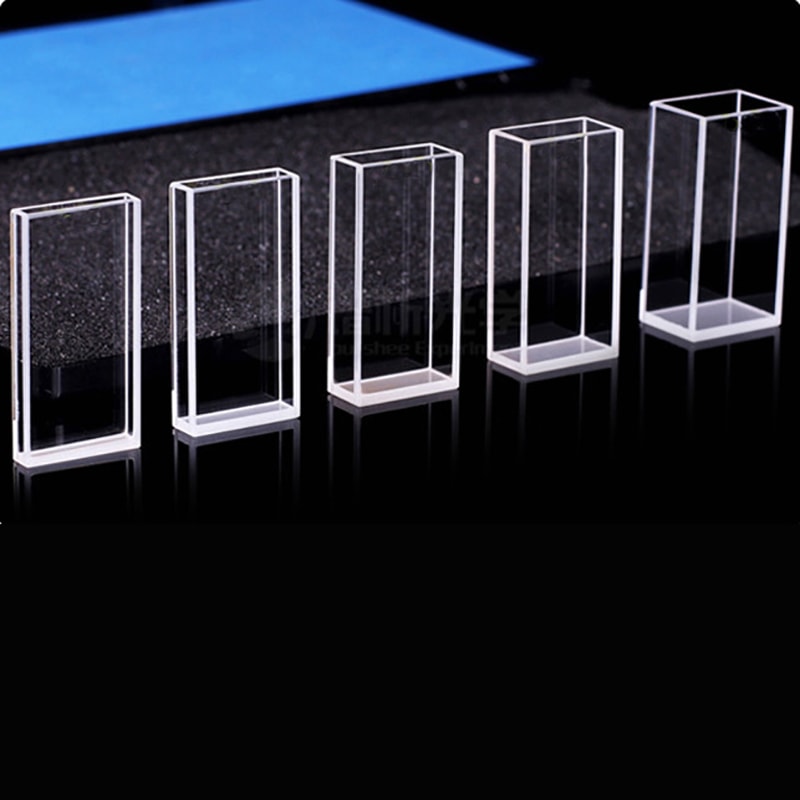
Image credit: cuvet.co
Cuvette Size and Dimensions More Than What Meets the Eye
Cuvette size isn’t just about how much liquid fits inside. It’s also about how the vessel is used by the spectrophotometer. Each container is designed for a specific task and comes in a variety of sizes and shapes. Semi-micro cuvettes, for example due to their smaller size and higher wall thicknesses, are made to handle small volumes of sample. Think a tiny amount of nanoliters or perhaps a rare biological extraction. Thicker walls reduce the internal space, allowing light to flow through a condensed sample without loss of one drop. Compare this with the standard cuvette, and the difference is stark: fewer pipetting steps and less chance of error, and results that hold up under scrutiny. This clever trick proves the size of a cuvette isn’t just a number but the strategy behind it.
The 1cm length of the Path Cuvette A Lab Favorite
What is the reason why the 1cm cuvette path length is used so often in research? This is the best place for biological experiments where every milliliter is important. This traditional design provides the same absorbance measurement without overloading the detector. It’s not a single-size model. If you swap it out to a cuvette with a different geometry or path length, such as one for studies on emission it can result in results that are wildly distorted. Precision is dependent on choosing the correct instrument and not merely the one you are most familiar with. A wrongly matched instrument is similar to a cuvette not matched.
Material Matters That Go Beyond Size and Path
Cuvette dimensions tell only half the story material choice seals the deal. Glass and quartz cuvettes shine for their high transmission rates and allow light to flow through without interference. They’re durable and reuseable. This makes them ideal for spectroscopy. Plastic cuvettes are also inexpensive and easy to use. Utilize them and dispose of them. You don’t have to clean, no risk of cross contamination. They’re great for quick DNA or RNA tests and aqueous solution. The trade-offs? The trade-off? This is a classic case of purpose dictating preference quartz for the purists, plastic for the pragmatic.
Accuracy in Practice
Cuvettes’ appeal lies in their adaptability. Spacers in combination with short path lengths allows for the handling of concentrated samples while larger vessels can manage large volumes. Each path length, size, or material affects the test, shaping the clarity of the results. Imagine a laboratory analysing the amount of protein. A semimicro cuvette has shorter pathways, which removes the need for dilution and delivers reliable data faster. Contrast that with a sloppy change of cuvettes during the experiment, and the data is skewed. It’s a reminder of how, when it comes to spectrophotometry that the small details can have the most impact.
Cuvettes aren’t huge, but their role is mighty. They range from a 1-cm cuvette’s path length up to custom dimensions are able to bridge the gap between the sample and the insight. If you’re after quality or precision, the right cuvette will transform a weak measure into an outstanding one.