
A few years ago, e-cigarettes was unstoppable at school. Students would sneak into bathrooms during classes, and flavored nicotine and THC vapors disappeared without trace. Teachers and administrators were powerless until districts began to use a new method to shield these students: the vape detection.
Today, schools across the nation are sharing huge successes that illustrate how technology can alter the vaping epidemic.
A Case Study: Reducing Vaping by 83% in just 10 weeks
Luling Independent School District faced an enormous problem with smoking. Students continued to smoke despite repeated warnings and stricter rules. Smoke alarms of the past were ineffective against vapors, and the staff couldn’t be everywhere at once.
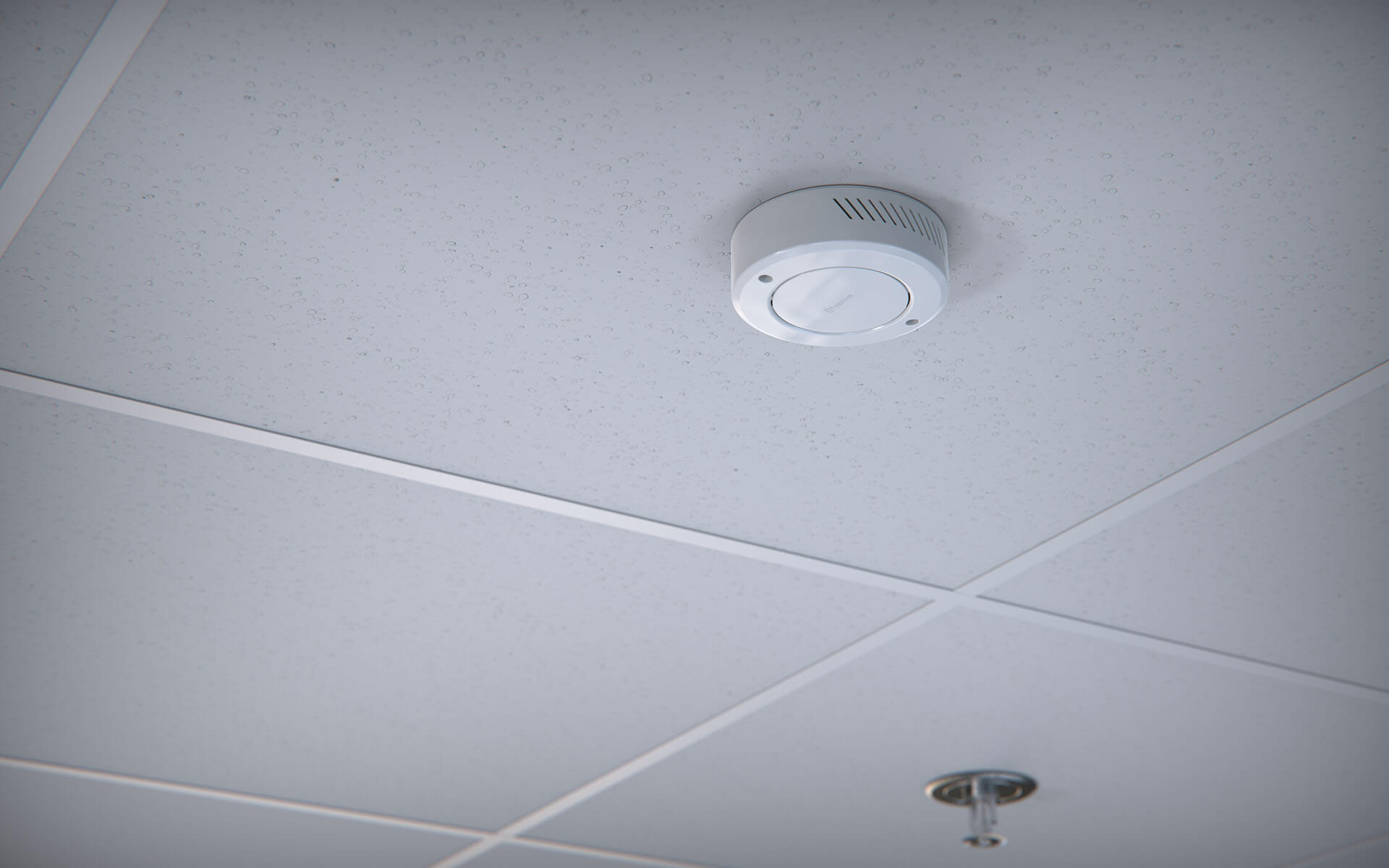
The district conducted tests on a variety of vape detectors in March. The results were impressive. In only five weeks smoking, vaping rates had declined noticeably. In the 10 weeks following, vaping activity had fallen by an impressive 83%.
The program’s success did not stop at numbers. Teachers reported less disruptions and students were aware that smoking cigarettes wouldn’t go unnoticed.
Match Charter Schools also enjoy similar success
Another notable example comes from Match Charter Schools, which had a difficult time with high and middle school vaping. The impact of the vape smoke detectors they installed in August was immediate.
Administrators announced that the number of vaping incidents per week had dropped by 80% in December. Parents were pleased with the school’s efforts in adopting concrete measures to safeguard students, while teachers noticed a marked decrease in bathroom loitering and hallway crowding.
The two districts are a part of what is becoming a trending tendency: schools that implement vape detection are seeing tangible improvement in behavior as well as overall security.
What are the factors that make vape detectors successful?
The technology behind the results is what allows them to be achieved. A modern vape detector doesn’t only detect vapor, it also monitors air quality and monitors occupancy levels. It also provides real-time alerts to employees. This means that administrators don’t must rely on their intuition or reports based on a post-factual analysis.
The detectors have been designed to protect your privacy. No cameras. No audio recording. Fast, precise data is enough to help schools make quick decisions without violating the rights of students.
The combination of efficiency and compliance makes vape detectors among the most efficient security tools that schools can use today.
The Safety Net Goes Beyond Vaping
What many administrators understand is that detectors aren’t just to prevent vaping. Advanced systems recognize loud disturbances, keyword triggers linked to emergencies, and even vandalism threats.
In the event that, for example, someone begins to hang out in a toilet the detector will detect an unusual degree of occupancy. If a person shouts a distress word, such as “help,” staff can be notified immediately. Smoke detectors in schools could form part of a wider plan to deal with both risk of violence and health hazards.
Why Boards and parents support Vape Detectors
Transparency can bring confidence that is often ignored. The use detectors by schools can produce reports that demonstrate clearly the trend in vaping. The reports are shared with parents board members, school officials and the community to show that steps have been taken.
Parents are receptive, particularly when they see tangible outcomes. A vape smoke detector isn’t just catching students it’s protecting their health and reinforcing the message that vaping has no place in schools.
The Key Takeaway is a Proven Path to Success
For a long time, vaping seemed like an invisible battle that schools were unable to beat. However, research carried out in schools across the country prove that this isn’t the truth. With a Vape Detector, administrators can quickly spot any incidents and deter risky behavior and provide a safe learning environment for students.
The vaping problem is far from over however, the tide is changing. Vape detection technology isn’t only a response to an issue, it’s an opportunity for schools lead the way in an environment that is healthier for their students.
Conclusion
Technology is being used in schools across the nation, from Texas all the way to Massachusetts. A modern vape alarm does more than just alert. It alters the way students behave, builds trust and offers an all-time solution to some of the most urgent health issues facing students today. Vape detectors have become a norm in any school that cares about safety.