
Prior to the time that anyone could set a Megalodon tooth on a table, take a photo of it, or study its sharp edge, the tooth was doing something else that was far less tranquil. The tooth belonged to the largest predatory fish ever be seen in the oceans. The tooth was ripped out. In the case of most objects, that would be the end of the tale. For fossils, it can be the beginning.
Fossil Driven provides fossils that have been through geological processes that are not measured in years or centuries rather in millions. Understanding that journey changes the way you view the fossil. It’s not just an interesting object. You’re looking at physical evidence from an era long gone.
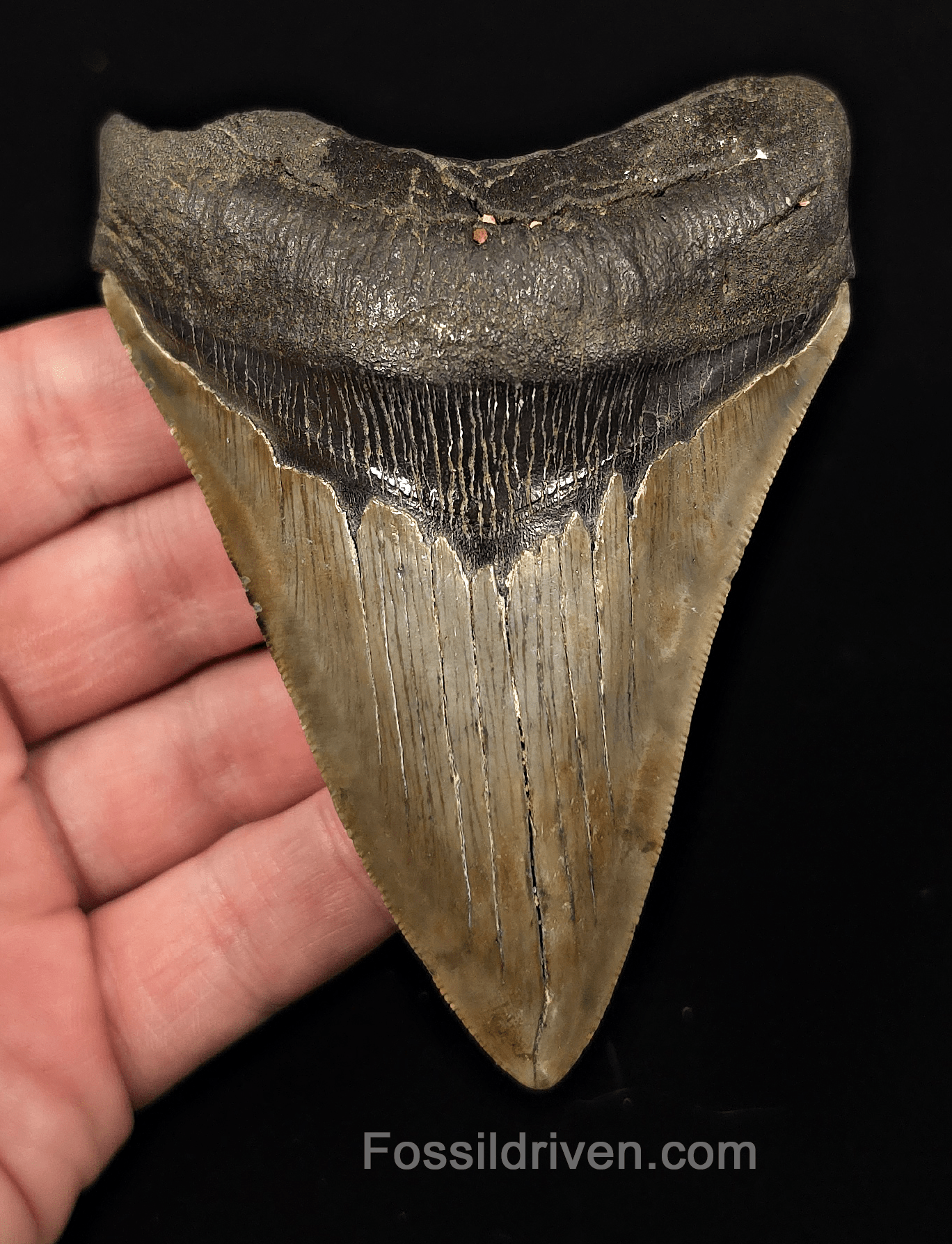
Image credit: fossildriven.com
The First Station: An Ancient Ocean
Consider the Megalodon teeth recovered from West Java, Indonesia. Aproximately 20 million years ago, areas that are dry land today were associated with warm marine ecosystems. Megalodons, along with numerous different marine species, resided in the prehistoric oceans.
Megalodon, like modern sharks are still producing and loses teeth. A few of these teeth eventually settled into sediments from the sea. If the conditions are right, burial could protect them long enough for their fossilization.
Then geology came in.
The following chapter went by incredibly slowly. Sediments were accumulating. Minerals were interacted with buried matter. The forces of geology altered landscapes and even environments that had been underwater eventually were transformed into the present-day landscape. These are the reasons why customers find that fossil megalodons come in a variety of hues.
Indonesian specimens found in West Java’s Miocene Bentang Formation typically tan, golden, brown blue, red or black. Many exhibit a variety of shades on a single tooth. The surrounding minerals can alter the appearance of fossils after it has been buried for a considerable period of time. The result is effectively not possible to produce in mass through nature. Every fossil has had an evolution in geology.
Discovery begins a new chapter
Finally, a buried fossil of millions of years old is discovered. The identification and documentation of the fossil are now important.
Collectors do not just focus on the appearance of megalodon teeth when they search for them. The details regarding the locale as well as the age of the geological formation preservation, repairs and restoration can help explain what the collectors actually are taking a look at.
Natural wear is not a way to erase the past of a fossil. A worn-out tip, a sloppy root, or incomplete serration can simply be part of what happened to a fossil prior to and after burial. The most important thing is to represent the specimen in a precise manner.
Fossil Driven has more than 13 years of fossil identification experience in this process. They also work with experienced fossil hunters and suppliers. Particular specimens are analyzed and described and accompanied by relevant information whenever it is possible.
The Fossil will reach out to touch someone’s hands.
People buy real Fossils for many reasons. Some collect carefully categorize collections. Others prefer a single, dramatic conversation piece. Children who are fascinated by prehistoric animals may get their first genuine fossil that starts an ongoing interest in paleontology.
Megalodon’s teeth provide a way to get into that world. Trilobites, Dinosaur molars and ammonites are just a few of the many fossils which preserve the Earth’s past.
The Best Part Is Knowing That It’s Real
A replica is able to reproduce the shape of a tooth that was once in use. It isn’t able to recreate its past. It is impossible to reproduce its history.
This is the reason that authenticity is vital. You are holding a fossil which has created a virtually unimaginable journey through time. The most recent stop is the display case.