
For one customer, the appeal of the wig’s shade is offset by a cap that causes discomfort after several hours. A second buyer likes the natural-looking hairline, yet would rather avoid a twenty-minute lace adjustment routine each morning. A third customer orders an otherwise beautiful wig and discovers that its density feels heavier than anticipated.
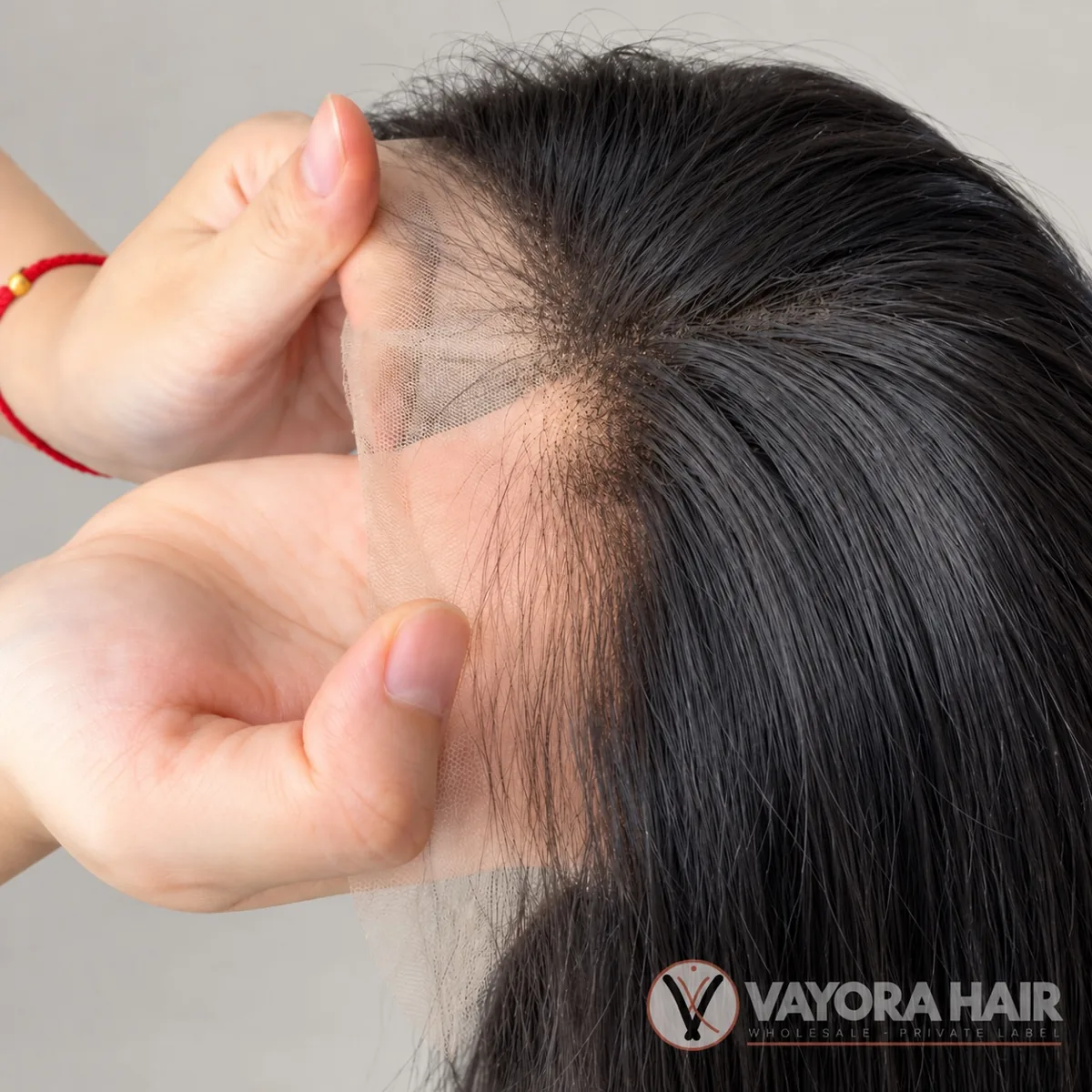
Image credit: vayorahair.com
There is more practical insight in these comments than a wig brand might initially see. They highlight opportunities to create wigs customers take pleasure in wearing.
The latest trending hairstyle is not necessarily the basis of a successful wig collection. A collection should begin with the wearer’s needs and the experience they want once the wig is on.
Identify the Issues Customers Encounter
Customers rarely describe their needs using manufacturing terminology. How comfortable the wig feels, ease of use, how it looks and how confident the wearer feels are what customers describe. The desire to make the morning routine easier may indicate a need for a glueless construction. Complaints about an unnatural hairline could indicate that lace appearance, knot treatment, density, or parting design needs attention.
Translating wearing concerns into measurable design criteria is a capability to look for in a human hair wig manufacturer China brands choose.
Rather than asking for a 22-inch body-wave wig alone, a buyer can outline the desired wearing experience, how the cap should fit, lace construction, the look of the hairline, and finished weight. With that information, developers can work toward a better-defined goal.
Establish a Consistent Private Label Collection
Rather than defining their own range, many emerging brands organize their catalogs around the products currently in demand. The result can be a collection that looks remarkably similar to competing stores.
Working with a private label wig manufacturer China retailers can collaborate with allows brands to develop a more consistent product identity. A brand could focus on lightweight everyday styles, premium natural-hairline designs, or ready-to-wear styles for customers who prefer little preparation. Texture, length, color, density, cap construction, and packaging should support the same customer promise. A recognizable collection gives shoppers a reason to return beyond a temporary discount.
Glueless Wigs Involve More Than a Label
A glueless label may be simple, yet how the wig feels during wear is shaped by multiple aspects of construction. A comfortable and secure fit depends on cap sizing, adjustment features, attachment components, lace preparation, and hairline design.
A buyer working with a glueless wig manufacturer China brands select should expect help in establishing these requirements before manufacturing starts. Manageable density, pre-cut lace, and simple adjustment features may be particularly important when the intended customers are first-time wig wearers. A professional stylist’s collection might require different customization options. It would be a mistake to assume that one approach is always better. The two approaches address the needs of different customer groups.
Sampling Protects the Brand’s Reputation
A product photograph cannot tell you everything about a wig. Does the cap fit properly? How does the hair move? Buyers also need to check whether the color meets expectations and the finished construction matches the approved design. The sample stage creates an opportunity to identify discrepancies ahead of a higher-volume purchase.
Consistently producing the same style calls for documented product specifications and quality-control procedures, particularly for a wholesale human hair wigs supplier handling repeat orders. A lack of clear production references can make it difficult to reproduce the results of a successful first batch reliably.
Build a Collection That Can Grow
Through product development, private label services, sampling, specification control, and repeat-production workflows, VAYORA supports B2B wig brands, retailers, and distributors. The focus is on connecting what wearers expect with the construction details responsible for how the wig looks, fits, and feels.
Before expanding a catalog, brands should examine customer feedback, identify their strongest product opportunities, and establish clear approval standards. The next collection’s success may have little to do with expanding the style count. Instead, success may come from making fewer compromises in the styles customers already want.